Breathing analysis
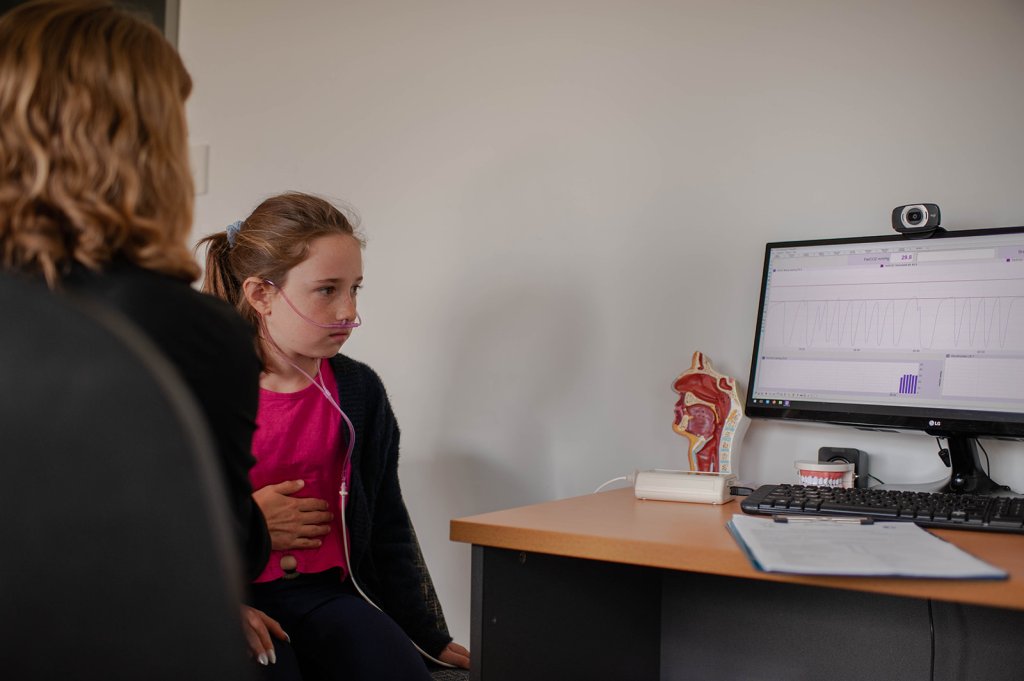
An assessment of breathing function with capnometry and other manual and observational methods helps to uncover underlying issued behind your breathing complaints. Once there is a better understanding, an tailored approach can be used to address your specific breathing concerns, such as mouth breathing or nasal congestion, especially if you have asthma, allergies or sleep apnea.
Breathing coaching
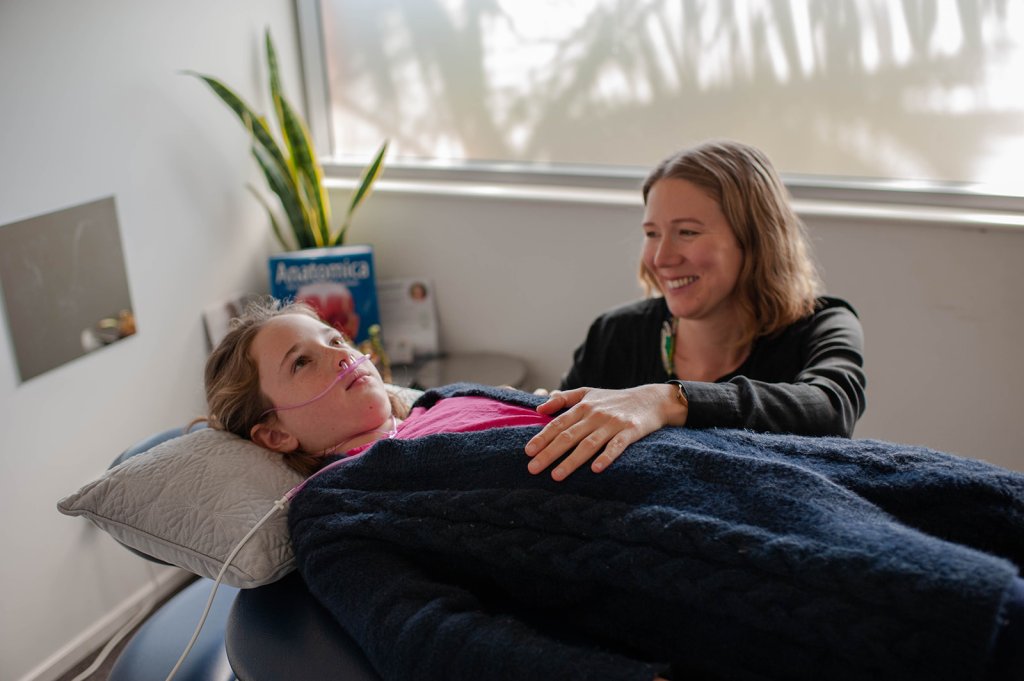
An individualised breathing program may incorporate Buteyko method for breathing re-education, Integrative Breathing Therapy (IBT) for biomechanical breathing correction, nasal breathing rehabilitation as well as capnography biofeedback training. By following a tailored program, you can achieve faster improvement and feel more empowered by the change you create in your body.
Orofacial myofunctional training
Mouth exercises, also known as OMT or myofunctional therapy is a program of tongue, face, jaw, head and neck exercises and tools that help improve and restore correct function of the oral facial muscles. The imbalances may be initially caused by weak oral tone, low tongue posture, tongue thrust, oral habits such as pacifier, thumb sucking or nail biting. These imbalances create what is called oral myofunctional disorders (OMD).
Thumb sucking, tongue thrust and other habits

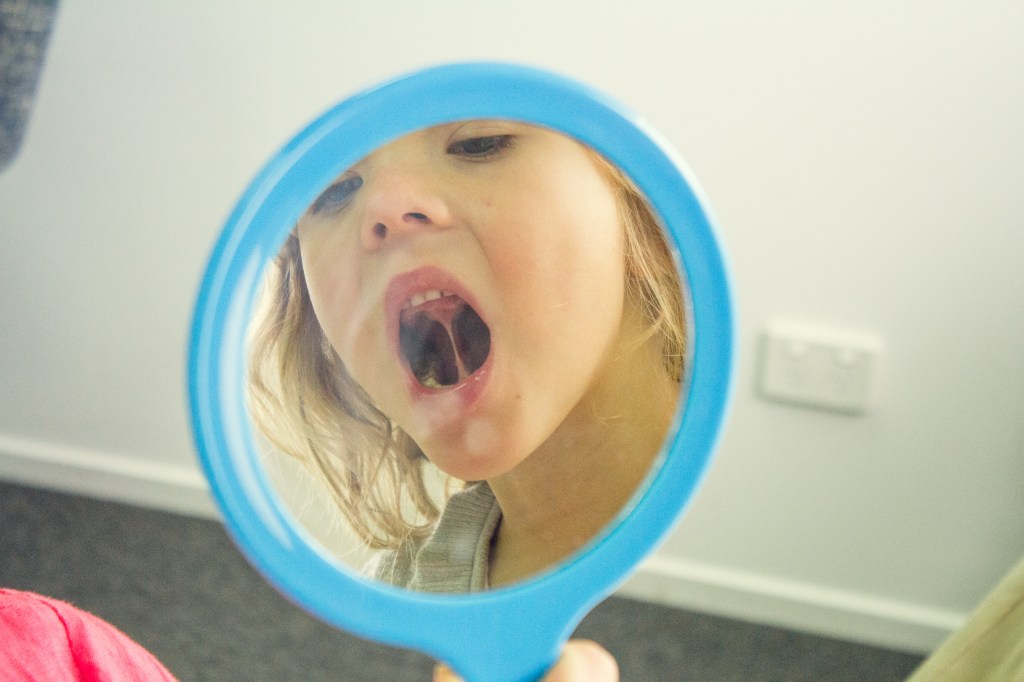
Special programs are offered to help eliminate poor oral habits (thumb sucking, pacifier, digit/toy sucking) and tongue thrust that negatively affect teeth, jaw and face growth and development. These habits can lead to open bite, crossbite and other bite problems as well as incorrect tongue function often affecting swallowing and speech.
Oral muscle retraining & orthodontic treatment
Oral myofunctional therapy can support the progress and stability of orthodontic treatment in adults and children with incorrect function of tongue, cheeks and lips. It is particularly important to retrain oral muscles as part of treatment with braces or clear aligners where problems such as open bite, narrow upper jaw, cross bite or low tongue posture were amongst the reasons to seek orthodontic help. Open bites often relapse if tongue function is not corrected thus oral myofunctional therapy is an integral part of treatment stability.

Oral muscle retraining after surgery
It is important to assist the body after surgery (e.g. after removal of enlarged tonsils and/or adenoids or other surgeries in the nose, mouth and airway) to help restore proper nasal breathing and oral function as our bodies build up compensations in response to an abnormal airway or mouth anatomy. This type of work can be used for preparation for extensive dental work (such as implants, large bridges, dentures) and rehabilitation after to make sure that oral muscles are balanced.
Snoring and sleep apnea
Myofunctional therapy can help with the treatment of snoring, sleep apnea, and other breathing problems during sleep. This therapy focuses on establishing correct breathing habits and proper tongue posture during rest and sleep, which helps keep the airway open while keeping the mouth closed at night. Ultimately, it aids in optimizing sleep and breathing during the night.

Jaw joint dysfunction (TMD)

Oral myofunctional therapy can assist with TMD (temporomandibular joint dysfunction) and general jaw ache and mouth muscle tightness, teeth grinding or clenching, headaches and other TMD related symptoms. These symptoms commonly have a root cause in muscular imbalance of the orofacial complex, incorrect tongue posture and dysfunctional swallow.
Tongue tie / lip tie
Oral myofunctional exercises are used to facilitate functional release of tethered oral tissues (aka tongue tie & lip tie) and are used as a program to prepare for and restore from the procedure. Myofunctional therapy exercises help prepare the tongue and other oral muscles for the procedure so that it can be performed safely and effectively. The outcomes from the procedure itself are compromised when proper function isn’t restored as part of the process of releasing the ties, hence the importance of myofunctional therapy before and after the tongue / lip tie release.

Babies and toddlers

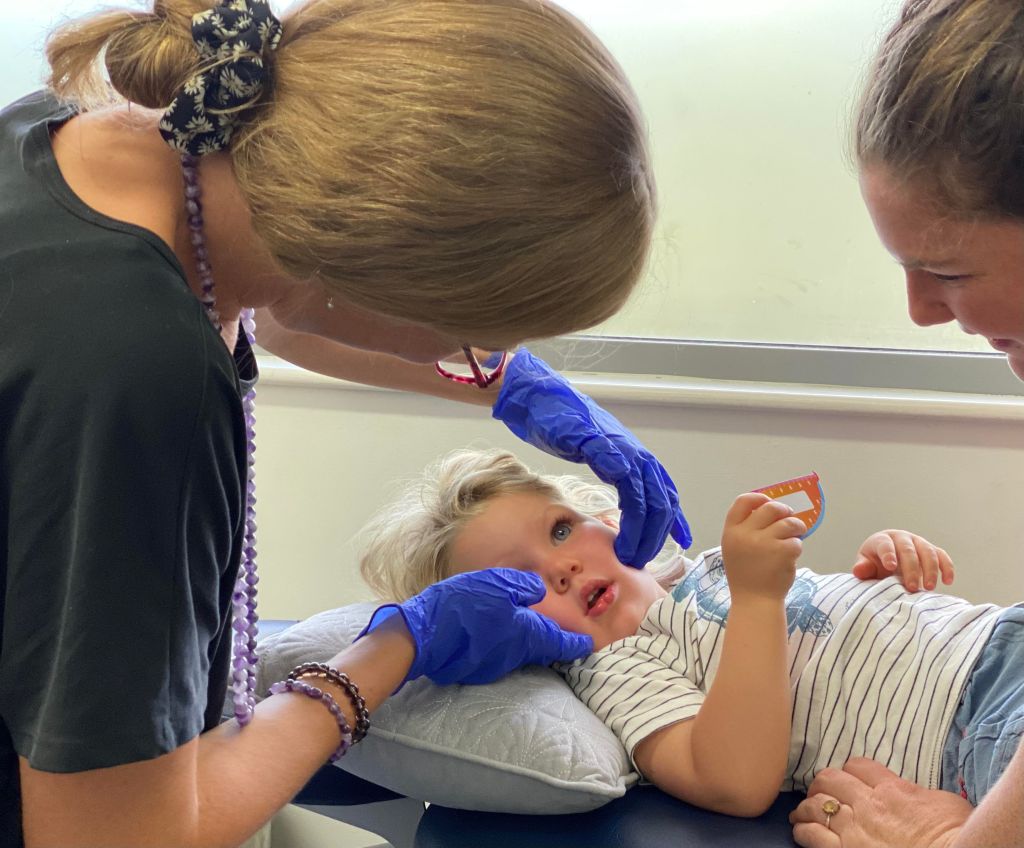
Assessments are offered for babies and toddlers with general feeding and eating issues as well as breast feeding and breathing-related sleep issues to help support their oral function as well as growth and development of their jaws and face. Although babies cannot perform myofunctional therapy and breathing exercises, we focus on guiding the parents and caregivers with activities and habits to support their baby, toddler and a growing child to keep their oral, facial and dental development on track.
Oral function support for the any age
Myofunctional therapy programs are offered for clients of all ages to support oral function and breathing. These sessions cater to individuals who face challenges with various aspects of oral function, such as jaw opening/closing, eating, swallowing, speech, mouth resting posture, drooling etc. The support provided is particularly beneficial for individuals who have undergone (or about to undergo) extensive dental work, have missing teeth, experience TMJ (jaw joint) issues, wear dentures, or have decreased muscle tone.

Courses

Are you looking to enhance your breathing, overall health, and sleep while participating in a small group setting? Each year, only a limited number of spaces are offered for a comprehensive small group breathing course designed for adults. This course draws from the Buteyko method, Integrative breathing therapy, and the fundamentals of oral myofunctional therapy. The program consists of weekly two-hour sessions over the course of four weeks within a single calendar month, blending both online and in-person formats.
 Functional Well-being